


Several weeks ago, in 2024, the Youth Ministry, Church of the Lord, Losi Ọba Branch, Ita Oluwo, Ikorodu, Nigeria, hosted a thought-provoking and emotional event during their annual Youth Week. Themed “Know Your Genotype Before You Say ‘I Do’,” the event sought to educate young people on the critical importance of understanding genotype compatibility before marriage, with a strong focus on preventing sickle cell disease (SCD). The guest speaker, Dr. Akinlawon Solomon, Medical Director, Golden Heart Hospital, Ogijo, and an alumnus of Obafemi Awolowo University, Ilé Ifẹ̀, delivered a passionate and hard-hitting message.
The Keynote Address: Love Is Blind, but Marriage Opens Your Eyes
Dr. Solomon, who is also a pastor with Deeper Life Bible Church, emphasized that while love can be blind, marriage often opens one’s eyes to realities that could have been addressed beforehand. He urged the congregation to take proactive steps to know their genotypes before committing to marriage.
“Prevention is better than cure,” he said, highlighting the devastating physical, emotional, and financial toll of raising a child with sickle cell anemia. He stressed the importance of widespread education about genotype, calling on parents to teach their children early about their genetic makeup to avoid regret later in life.
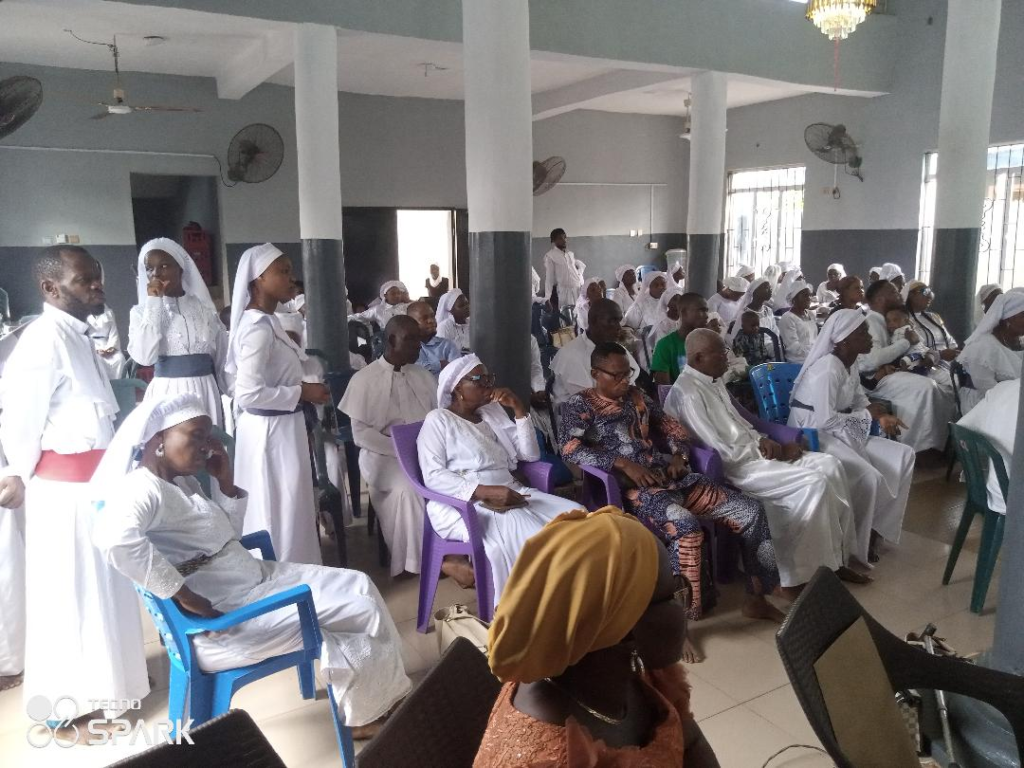
Dr. Solomon’s candid remarks struck a chord with the audience. “One SS child can ruin you financially, physically, emotionally, and morally,” he warned, underscoring the severity of the challenges faced by families with sickle cell children. “God can do all things, but there are many things He will not do. An angel won’t cook your food for you—you need to get up and do it yourself!” he added, encouraging personal responsibility.
Emotional Testimonies: Real-Life Experiences
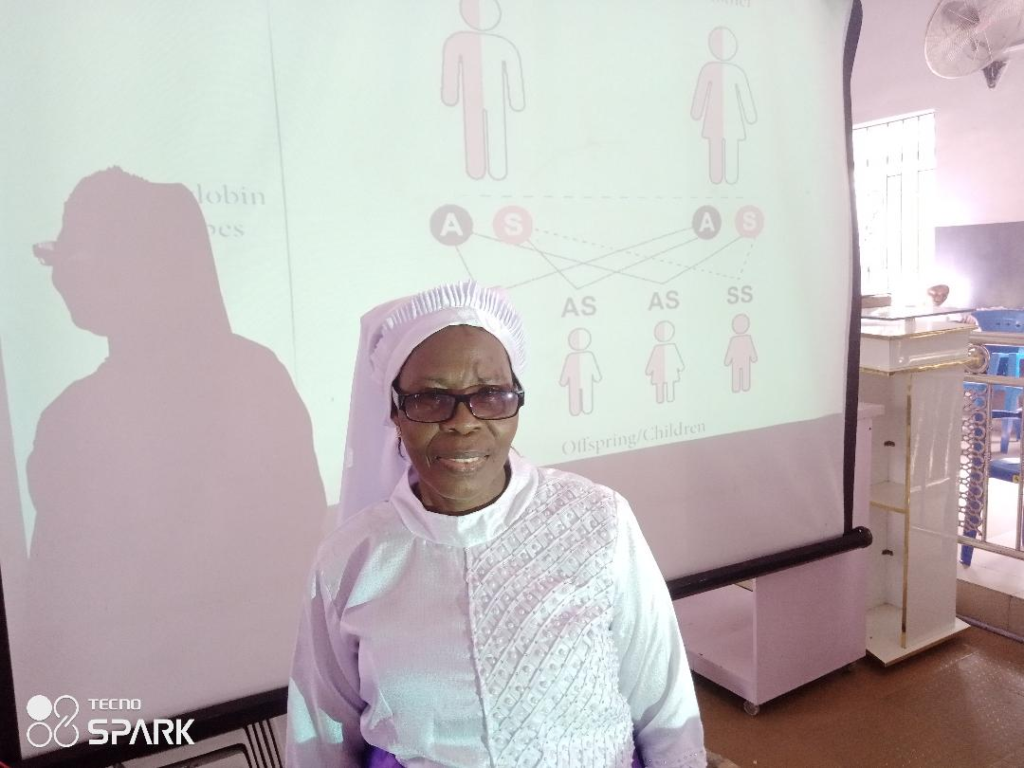
The event took an emotional turn when Mrs. Beatrice Olubunmi Sopeju, a 61-year-old member of the church living with sickle cell anemia, shared her story. Despite living with the condition, she had four children, all of whom inherited the sickle cell trait. Overwhelmed with emotion, Mrs. Sopeju went on her knees, pleading with the youths to prioritize genotype in their relationships. “Please don’t bring children into the world to suffer!” she implored, tears streaming down her face. It was glaringly an appeal born of personal experience, decades of living with one of mankind’s biggest health challenges.
Mrs. Ajoke Ganiyat Kukui, 49, the coordinator of the Ìkòròdú Sickle Cell Club, also spoke about her life with sickle cell disease, reiterating the wisdom of avoiding incompatible genetic pairings. Their testimonies served as poignant reminders of the reality of living with the condition and the importance of prevention.
Tough Love: Dr. Solomon’s Controversial Suggestion
In a move that stirred both applause and debate, Dr. Solomon proposed a drastic measure to drive home the importance of genotype awareness: parents who knowingly birth children with sickle cell in this age of medical enlightenment should be publicly flogged on national television. While this suggestion was controversial, it underscored the urgency and frustration felt by advocates for sickle cell prevention.
“AS + SS is suicidal, and SS + SS is worse,” Dr. Solomon stated unequivocally, urging young couples to undergo genotype tests in multiple locations to ensure accurate results and prevent misdiagnosis. He also called attention to the intense pain experienced by individuals with sickle cell disease, a reality many cannot imagine unless they witness it firsthand.
Hope Through Awareness and Action
The theme, “Know Your Genotype Before You Say ‘I Do,’” resonated deeply with attendees. Dr. Solomon reminded the youth that hospital visits should become a habit in this century, as early detection and proactive medical care can prevent complications. He also spoke about the benefits of blood donation, which stimulates the production of fresh, healthy blood.
“Pregnancy poses significant challenges for women with sickle cell disease, and having one or two children is generally advised,” he noted, though he highlighted the remarkable case of Mrs. Sopeju, who defied medical expectations by successfully delivering four children naturally.
A Call to Action
The event concluded with a heartfelt call to action for all attendees to spread the message. Sickle cell disease, once a mystery, is now preventable through education and informed decision-making. As Dr. Solomon poignantly stated, “You may deny Jesus when sickle cell bares its fangs.” It was a sobering reminder that while faith is vital, taking practical steps is equally essential.
For the youth in attendance, the day’s lessons were clear: love is not enough; compatibility matters. Prevention, education, and responsibility can save future generations from avoidable pain and suffering.
Although he prescribed flogging to shame parents and warn others, Dr. Solomon did so with a chuckle, suggesting that he knew the impracticability of such a measure; yet his suggestion mirrored the frustration of many who care for wards with SCD. Some of his medical colleagues have been known to shed tears when confronted with SCD crises pains—pains that pulverize the most potent painkillers.
You May Also Like To Read: ANAMBRA STATE SICKLE CELL LAW STIRS HORNET’S NEST
NIGERIA ATTEMPTS TO WIPE OUT SCD
- In 1995, under the administration of Colonel ikechinyere Nwosu, the Oyo State Government issued an edict PROSCRIBING the marriage of sickle cell carriers;
- In 2011, Senator (Dr.) Ifeanyi Arthur Okowa and Senator Nnenadi Usman presented a Bill for the Control of SCD in Nigeria – sections of the Bill sought to DISCOURAGE sickle cell carriers from venturing into marriage;
- In 2019, the Anambra State House of Assembly passed a law BANNING and CRIMINALISING the marriage of carriers of the sickle cell gene (trait).
- Abia State Nigeria has in its statutes a law compulsorily requiring genotype tests before marriage is solemnized at religious institutions. Carrier marriages not eligible for solemnization!
READER COMMENTS
Awareness Through Drastic Measures
“Sometimes, people need something extreme to wake them up. If public flogging is what it takes to make people think twice before bringing children into the world to suffer, then I support it,” said Adewale Balogun, a youth advocate from Nigeria.
A Serious Deterrent
“We’ve tried education and counseling, but many still ignore the importance of genotype testing. Maybe public punishment will make them more serious,” argued Mamadou Diallo, a healthcare worker in Guinea.
Cultural Accountability
“In our communities, public shame is a strong tool for reform. It might feel harsh, but it’s better than watching innocent children suffer needlessly,” said Akua Mensah, a teacher from Ghana.
Parents Must Be Held Responsible
“Having children with sickle cell disease when it could be prevented is irresponsible. Flogging may seem cruel, but it forces people to think of the consequences of their actions,” stated Awa Cissé, a social worker in Senegal.
The Greater Good
“We must protect future generations. If this punishment reduces the number of children born with sickle cell, then it’s a necessary sacrifice,” remarked Prince Yao, a pharmacist in Togo.
Violation of Human Dignity
“Flogging parents on national TV is barbaric and inhumane. We should be focusing on education and healthcare, not punishment,” said Fatoumata Keita, a human rights activist from Mali.
Address Systemic Failures
“The real issue is the lack of proper healthcare and genetic counseling in rural areas. Punishing parents does nothing to fix the system,” argued Kofi Owusu, a public health researcher in Ghana.
Counterproductive Consequences
“Such extreme measures could drive people away from seeking help or information about their genotype out of fear. It will do more harm than good,” warned Mariam Konaté, a nurse from Côte d’Ivoire.
Stigmatization of Families
“This approach will only increase the stigma for families already dealing with the challenges of sickle cell disease. We need compassion, not shame,” stated Yusuf Abubakar, a counselor from Sierra Leone.
Morally Wrong
“As someone living with sickle cell anemia, I know my parents didn’t mean to cause me harm. Punishing them would have been cruel and unfair,” said Aminata Bah, a sickle cell advocate from The Gambia.